
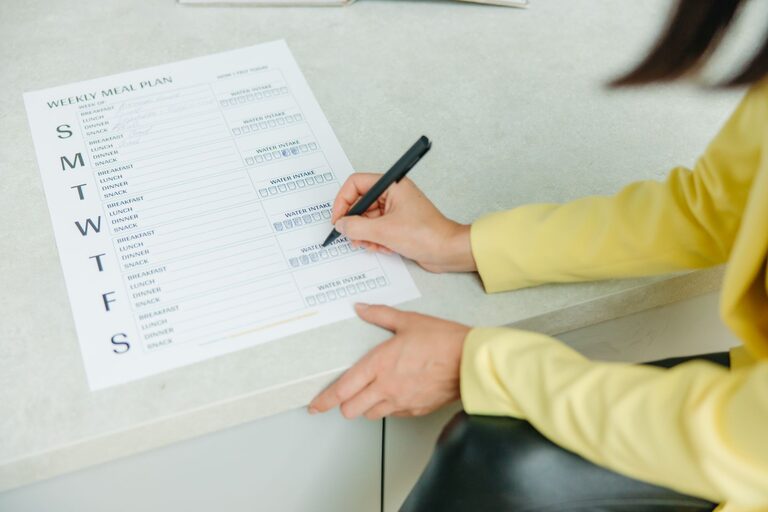
Creating a weekly meal plan can seem daunting at first, but with a little guidance, it becomes a simple and rewarding habit. A well-organized meal plan not only helps you save time and money but also ensures you enjoy balanced, homemade meals throughout the week. In this post, we will walk you through easy steps to create a simple weekly meal plan that fits your lifestyle.
Why Create a Weekly Meal Plan?
Before diving into the how, it’s helpful to understand the why. Planning your meals ahead can help you:
– Save Time: With a plan, grocery shopping becomes faster and cooking smoother.
– Reduce Stress: You won’t have to decide what to cook every day.
– Eat Healthier: Planning helps you include balanced meals with plenty of nutrients.
– Avoid Food Waste: Buying only what you need means less wasted food.
– Control Budget: Having a list limits impulse buys and takeout orders.
Step 1: Assess Your Week Ahead
Take a moment to look at your calendar. Note days when you have more time to cook and days when meals need to be quick or portable. Consider:
– Work or school schedules
– Evening activities or social plans
– Family commitments
This will help you decide on meal types and portion sizes.
Step 2: Choose Your Meals
Start by selecting meals that are easy to prepare and suit your preferences. You can mix and match:
– Breakfasts: Overnight oats, smoothies, scrambled eggs, yogurt parfaits
– Lunches: Salads, sandwiches, leftovers from dinner
– Dinners: Stir-fries, pasta dishes, sheet-pan meals, soups
Try including a variety of proteins, vegetables, and grains for balanced nutrition.
Step 3: Create a Meal Grid
Make a simple chart with days of the week across the top and meals (breakfast, lunch, dinner) down the side. Fill in your chosen recipes for each day. This visual helps you spot any gaps or repetitive meals.
Example Meal Grid
| | Mon | Tue | Wed | Thu | Fri | Sat | Sun |
|——-|————–|—————|—————-|—————-|—————-|—————|————–|
| Breakfast | Overnight oats | Scrambled eggs | Smoothie bowl | Yogurt parfait | Toast & avocado| Pancakes | Fruit salad |
| Lunch | Chicken salad | Leftover pasta| Veggie wrap | Soup & bread | Quinoa bowl | Sandwich | Salad |
| Dinner | Stir-fry | Sheet-pan fish| Pasta primavera| Tacos | Homemade pizza | Grilled chicken| Roast veggies|
Step 4: Write Your Grocery List
Once your meals are planned, create a grocery list based on all ingredients needed. Organize your list by sections of the store (produce, dairy, pantry) to make shopping efficient.
Tips for a great grocery list:
– Check your fridge and pantry first to avoid buying duplicates.
– Think about staple items you may need to restock.
– Include snacks and beverages if you want to plan those too.
Step 5: Prep Ahead When Possible
Meal prepping saves even more time during the week. Some ideas include:
– Chopping vegetables in advance
– Cooking grains or proteins early
– Assembling portions of meals for grab-and-go lunches
– Freezing extra portions for busy days
Even 30 minutes dedicated to prepping once or twice weekly can make a big difference.
Additional Tips for Success
– Keep It Flexible: It’s okay to swap meals around based on your mood or schedule changes.
– Use Leftovers Creatively: Turn dinner leftovers into easy lunches or new dishes.
– Try Theme Nights: Assign themes like Meatless Monday or Taco Tuesday to simplify choices.
– Include Everyone: If you cook for family or roommates, get their input for favorite meals.
Sample Simple Weekly Meal Plan Template
Here’s a basic template you can customize:
– Monday: Breakfast – Yogurt & berries; Lunch – Turkey sandwich; Dinner – Stir-fry with rice
– Tuesday: Breakfast – Smoothie; Lunch – Salad with chickpeas; Dinner – Spaghetti with marinara
– Wednesday: Breakfast – Oatmeal; Lunch – Leftover spaghetti; Dinner – Baked chicken with veggies
– Thursday: Breakfast – Toast & peanut butter; Lunch – Soup & bread; Dinner – Tacos
– Friday: Breakfast – Scrambled eggs; Lunch – Quinoa bowl; Dinner – Homemade pizza
– Saturday: Breakfast – Pancakes; Lunch – Sandwich; Dinner – Grilled fish & salad
– Sunday: Breakfast – Fruit salad; Lunch – Leftovers; Dinner – Roast and roasted vegetables
Final Thoughts
Creating a weekly meal plan doesn’t need to be complicated. With a little preparation and flexibility, you can reduce mealtime stress, eat better, and enjoy cooking more. Start small by planning just a few meals each week and build the habit gradually. Soon, meal planning will become a natural and helpful part of your routine.
—
By following these steps, you’ll be on your way to creating a simple, efficient, and enjoyable weekly meal plan in no time!