
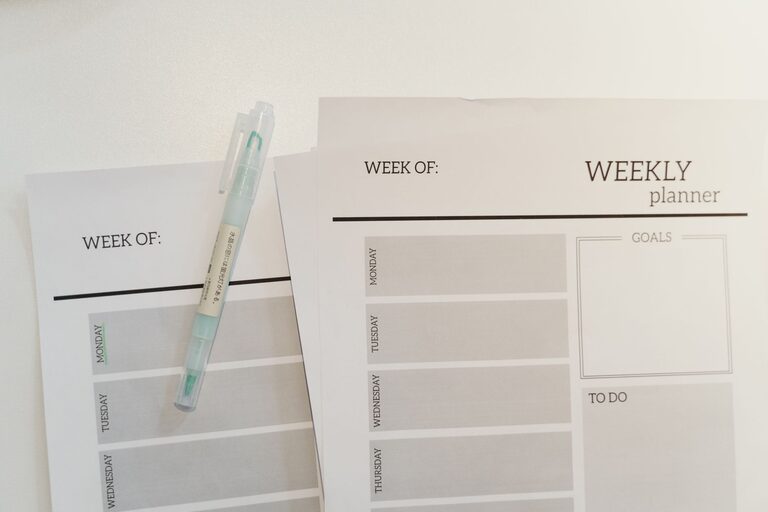
Setting weekly goals is a powerful way to stay focused, motivated, and productive. However, goals that are too ambitious or vague can lead to frustration and burnout. By setting realistic weekly goals, you create a clear roadmap that helps you make steady progress without feeling overwhelmed.
In this post, we’ll explore why realistic goals matter and provide you with practical tips on how to set them effectively.
Why Set Realistic Weekly Goals?
Weekly goals serve as stepping stones toward larger objectives. Unlike yearly or monthly goals, weekly goals are more manageable and provide frequent opportunities to evaluate progress. When goals are realistic, you are more likely to:
– Stay motivated because goals feel achievable
– Maintain consistent momentum
– Reduce stress and avoid burnout
– Celebrate wins regularly, boosting confidence
Unrealistic goals, on the other hand, can cause discouragement and procrastination, making it harder to reach your long-term aspirations.
Steps to Set Realistic Weekly Goals
1. Reflect on Your Priorities
Before setting weekly goals, consider what matters most to you personally and professionally. Reflect on deadlines, ongoing projects, and areas where you want to improve. This helps ensure your goals align with your broader priorities.
Ask yourself:
– What are my top priorities this week?
– Which tasks will have the biggest impact?
– Do I have any commitments that require my attention?
2. Break Down Larger Goals
Big goals can seem daunting. Break them down into smaller, actionable steps that you can complete within a week. For example, if your goal is to write a report, weekly goals might include researching topics, drafting sections, and revising content.
Breaking goals down makes progress tangible and prevents last-minute rushes.
3. Be Specific and Measurable
Clear goals are easier to track. Instead of “exercise more,” try “walk 30 minutes a day, five days this week.” Specific and measurable goals help you know exactly what you’re aiming for and when you’ve achieved it.
Use the SMART criteria as a guide:
– Specific
– Measurable
– Achievable
– Relevant
– Time-bound
4. Consider Your Available Time
Look realistically at your schedule. How much time can you dedicate to each goal? Avoid overloading your week by estimating the hours needed for each task. This prevents overcommitment and keeps stress levels down.
5. Set Priorities Within Your Weekly Goals
Not all goals hold the same urgency or importance. Rank your weekly goals so you tackle the most critical ones first. This way, if unexpected events arise, at least your top priorities are completed.
6. Allow Flexibility
Life can be unpredictable. Build in a buffer by not scheduling every minute. Flexibility lets you adjust if a goal takes longer than expected or if new tasks come up.
7. Write Down Your Goals
Documenting your goals boosts accountability. Use a planner, digital tool, or journal to list your weekly goals. Refer back to your list regularly to track progress and stay motivated.
8. Review and Adjust
At the end of the week, review which goals you accomplished and which you didn’t. Reflect on what worked and what didn’t, then adjust your approach for the next week.
Tips to Stay on Track with Your Weekly Goals
– Use Reminders: Set alarms or notifications to keep important tasks top of mind.
– Limit Distractions: Turn off nonessential notifications and create a focused workspace.
– Celebrate Small Wins: Acknowledge your progress, even on smaller tasks.
– Stay Positive: If you miss a goal, assess why without judgment and plan to improve.
– Share Your Goals: Telling a friend or colleague about your goals can increase motivation.
Sample Weekly Goal Plan
| Goal | Details | Priority | Time Estimate |
|——————————|————————————|———-|—————|
| Complete project proposal | Research, outline, and draft first section | High | 5 hours |
| Exercise 30 mins, 5 days | Walking or home workout sessions | Medium | 2.5 hours |
| Organize workspace | Declutter desk and file important documents | Low | 1 hour |
| Read one professional article | Enhance knowledge in field | Medium | 1 hour |
This simple table helps break down your week and visualize where your focus lies.
Final Thoughts
Setting realistic weekly goals is a habit that anyone can develop with practice. By focusing on what’s achievable and aligned with your priorities, you’ll find greater satisfaction and success in your daily life. Remember to be kind to yourself and stay flexible—progress is often about consistency over perfection.
Start your next week with a clear, realistic plan and watch how it empowers you to reach your bigger dreams step by step!